Blog
Alibarbar Ingot 9000 Puffs: Durability Testing Methods
So, the Alibarbar ingot 9000 puffs… everyone’s talking about this disposable vape, right? The whole idea is you get this this compact little thing that just lasts and lasts, no need to constantly buy new ones. It’s a popular choice for sure, if you want something simple that just works.
Why test durability? 🤔
Well, we gotta know if it can handle, you know, real life. Being in your pocket, getting bumped around, different weather… all without the performance going downhill. For you, the user, this means you can trust the puff quality and the battery life. It probably won’t just die on you. For the company, it’s about making sure the product is actually good and that there claims are legit. It’s about trust between the brand and it’s customers, you know?
Durability Testing – The Real Story
So, durability testing… what is it really? Basically, we’re trying to see if a product can handle getting knocked around in everyday life. For a disposable vape like the Alibarbar, that means asking: will it break if I drop it? Does the battery last, like, at all? And does the flavor stay consistent or just turn weird after a few days? The goal is to find the weak spots before you do.
“Industry Standards” (It’s Kind of a Mess)
Honestly, there’s no one rulebook for this stuff. Companies just borrow from general electronics testing and mix in whatever local safety rules they have to follow. They often just make up their own tests to make sure there product doesn’t embarrass itself next to the competition.
The usual suspects for testing are:
Life testing (making it think it’s older than it is)
Climate tests – throwing it in hot and cold chambers
Drop tests… for obvious reasons. Oops.
Battery checks, which are, you know, kinda important. 🔋
What We’re Actually Measuring
When we run the tests, here’s the stuff we’re really watching:
Puff Consistency: Does every hit taste the same or does it get burnt/weak? Big one.
Battery & Safety: Probably the most important part. Does it last? And please, no overheating. We check voltage and temperature stuff.
Physical Stuff: Can it survive a drop or a squeeze? We look at the casing, the mouthpiece… all that.
Leak Test: SUPER important. Does it leak juice? Because a sticky pocket is the absolute worst.
Heat Management: Does it get too hot to hold? Not cool.
The Boring Compliance Stuff: Yeah, does it actually meet basic safety rules and is the labeling legit? Gotta make sure their their claims aren’t total nonsense.
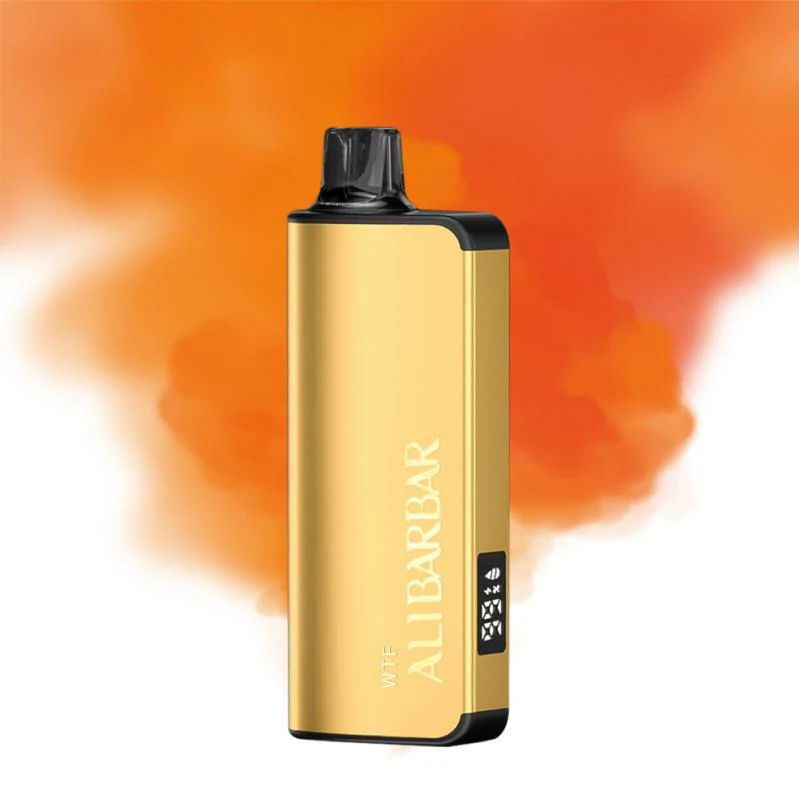
Alibarbar ingot 9000 puffs – The Core Features
Alright, lets get into the nitty-gritty of the Alibarbar ingot. What’s it actually packing?
Specs and Design
So, this thing has a huge22mL e-liquid capacity, which is how they get to that 9,000 puff claim. The whole point is you dont have to constantly buy new ones, which is a big plus for a lot of people. It’s all about convenience, really.
The battery is built-in and pretty substantial – we’re talking like 2350mAh. That should, in theory, provide consistent power from the first puff to the last. It’s draw-activated, so no buttons, which is nice and simple.
Size-wise, it’s pretty compact and lightweight. Fits easily in a pocket. The finish feels decent, not cheap. Some models even have a little LED to show battery life, which is helpful to know when it’s on it’s last legs.
Theoretical Durability – What They Say🤔
Based on the design and specs, here’s what you’d expect:
Build Quality: It shouldsurvive being in your pocket, maybe a few light drops here and there. The mouthpiece and casing should stay intact with normal use.
Performance: The idea is that every puff should be consistent. Good flavor, good vapor production, all the way through. It shouldnt get too hot or feel weak.
Leak Resistance: This is a big one. It shouldntleak. The seals are supposed to keep the liquid in, where it belongs. A leaky vape is a terrible vape.
Basically, the theory is that it’ll work well until it runs out. But that’s what testing is for, right? To see if theory matches reality. We gotta see if it can actually handle handle real-world use.
Pre-Test Setup: Getting Our Lab Ready
Alright, before we could even thinkabout testing, we had to get the lab perfectly prepped. This is the boring-but-crucial stuff. Here’s the rundown:
1. Dialing in the EnvironmentWe controlled every little detail to make sure our results were actually meaningful:
- Temperature & Humidity: Kept it steady between 20-25°C with 40-60% humidity. Super basic, but if you get this wrong, your whole test is junk. 🥱
- Power Supply: Used clean, stable power with surge protection. Made sure all our adapters were properly calibrated to the device specs.
- Ventilation & Setup: Critical for long tests. We used a well-ventilated area and put devices on non-conductive mats to avoid any weird vibrations.
- Safety Stuff: ESD protection everywhere, clear signs, emergency shutdowns. We logged environmental data like clockwork. Gotta cover your your bases.
2. The Toolbox 🛠️Here’s the gear we used to put these vapes through hell:
- Environmental chamber (for hot & cold cycles)
- Data loggers to track temp/humidity
- Power analyzers and multimeters for all the electrical stuff
- Force and impact testers – for drops and crushes
- Custom jigs and fixtures to mimic real use (puffing, handling, etc.)
- Calibrated timers for precise cycle counts
- Inspection kits: magnifiers, calipers, a good camera
- Data collection software to log everything automatically
- Safety gear: lab coats, gloves, safety glasses. The usual.
3. Training the Team & Setting RulesYou can’t have people just winging it. We made sure everyone was on the same page:
- SOPs (Standard Operating Procedures): Had detailed, step-by-step instructions for everything. Setup, operation, data logging, you name it.
- Personnel Training: Everyone got a hands-on briefing and a quick practical test. Gotta make sure they know how to handle the devices properly.
- Handling Guidelines: Emphasized careful assembly/disassembly. Anti-static measures are a must.
- Cycle Accuracy: Calibrated all the test rigs to ensure puff counts and pressure were spot-on and repeatable.
- Documentation Discipline: This was huge. We enforced crazy-detailed note-taking. Serial numbers, start/end times, any little weird thing. Gotta make sure there data is solid. ✅
- Quality Checkpoints: We did reviews every, say, 10,000 puffs to make sure everything was still on track and the data made sense.
How We Tested: The Nitty-Gritty Details
Alright, here’s where things get interesting. This is how we actually put the Alibarbar ingot through its paces. 🧪
1. The Continuous Puff TestWe basically set up a machine to just puff on this thing non-stop. The goal? To see if it could really hit that 9,000 puff claim. Heres the breakdown:
- We programmed a specific puff profile – like, 3-second puffs with 30-second breaks between them. Trying to mimic how a real person would use it.
- While the machine was puffing away, we constantly monitored the battery voltage, current, and how hot the device got.
- We checked in on the device after every 1,000 puffs or so. Looking for any changes in performance, weird tastes, or physical wear and tear.
2. Battery Torture Test 🔋The battery is the heart of the device, so we had to be thorough. Maybe even a little mean.
- We ran it through charge/discharge cycles way faster than normal to see how the battery capacity held up over time.
- We monitored the temperature closelyduring charging and use. A battery that gets too hot is a big red flag.
- We checked for any signs of leakage or damage to the battery seals. Safety first, always.
- We just recorded how long it lasted on a single charge under standard conditions. Pretty straightforward.
3. Vapor Output & “Mouthfeel”This is the subjective part, but we tried to measure it as best we could.
- We used calibrated meters to measure the actual volume of vapor produced per puff.
- The key was consistency – did the vapor production stay the same, or did it get weaker over time?
- We also had a few people try it at different stages to give feedback on the “throat hit” and general sensation. We logged there their comments separately from the machine data.
4. Physical Durability (The Fun Part)This is where we got to be a little rough with it.
- Drop Test: We dropped it from pocket height onto a hard floor. More than once. Sorry, Alibarbar. 😅
- Heat Resistance: We exposed it to some elevated temperatures to see if the materials would warp or degrade.
- Vibration Test: We shook it around to simulate being in a bag or a car cup holder during transport.
5. Data & AnalysisWith all this testing, we generated a ton of data. Here’s how we handled it:
- Every single observation got a timestamp, so we could cross-reference electrical data with physical checks.
- We were paranoid about data loss, so we backed everything up constantly.
- In the end, we used some basic stats to identify trends – like how quickly the performance degraded, and what the most common failure points were.
- We’ll summarize everything with some clear graphs and plain-English conclusions. No crazy jargon, we promise.
ALIBARBAR INGOT 9000 – Product Specifications:
| Category | Specification |
|---|---|
| Puff Count | Up to 9000 puffs |
| E-liquid Capacity | 22 mL (Pre-filled) |
| Battery | 650 mAh Rechargeable (USB-C) |
| Nicotine Strength | 5% (50mg/g) |
| Form Factor | Compact & Pocket-friendly |
| Operation | Draw-activated (No Buttons) |
| Flavor Options | 20+ Varieties (e.g., Lush Ice, Blue Razz, Mango) |
| Package Includes | 1 x ALIBARBAR INGOT 9000 Device, 1 x USB-C Cable |
Making Sense of All This Data
Alright, we’ve run the tests. Now we’re left with a mountain of numbers and observations. Here’s how we organized it and figured out what it all means.
1. Charts, Graphs, and Data StuffFirst step was to collect and summarize the key metrics: puff counts, battery capacity over time, temperature readings, any physical wear we saw. We used some basic visualizations to spot trends:
- Line charts to show how performance degraded over thousands of puffs.
- Bar charts to compare different failure modes – like, how many devices failed due to battery issues vs. leaks.
- Scatter plots to check for correlations, like “does higher temperature correlate with shorter battery life?”
We had to be really careful about data quality, checking for outliers and making sure all the timestamps from different machines lined up. Garbage in, garbage out, as they say.2. Pass/Fail: How We Judged the Results ✅❌We had to set some clear rules. What counts as a pass? What’s a fail?
- We defined strict thresholds. For example, the battery had to retain at least 80% of its capacity after X number of cycles. Device temperature couldn’t exceed a specific safe limit.
- We had acceptance criteria at milestones – like every 2,000 puffs – to see if the device was still on track.
- We also documented what to do if results were borderline. If a device just barelypassed, that still tells us something about it’s limits.
3. Common Problems & Why They Happen 🔧Based on the data, here are the most frequent durability issues and their root causes:
- Battery Degradation: This is the number one issue. Capacity fades due to charge/discharge patterns, poor thermal management, and just general aging.
- Seals and Housing Wear: Materials break down from fatigue, chemical exposure, or just physical stress. This is what leads to leaks.
- Mouthpiece Wear: Gets loose or cracks from repeated use and cleaning.
- Electronics Issues: Internal contacts can loosen, and insulation can break down from heat and vibration over time. This is why a device might just stop working even if the battery is fine.
Honestly, most of these these problems are predictable. Better materials and design can address most of them. Hopefully this breakdown helps you understand what we look for and why!
Wrapping Up: The Durability Bottom Line
The Main Takeaways
So, after all this testing, what did we really learn? A good durability program has to cover everything – the environment, the equipment, the procedures, and how you make sense of all the data. It’s a whole system.The main things that wear out are pretty predictable: the battery degrades, the seals and housing get tired, the mouthpiece gets loose, and the electronics can get flaky. Fixing these these issues is the key to making a product that lasts. Oh, and giving users clear instructions on how to care for the device? That’s huge for maximizing it’s lifespan.
What This Means for Everyone
- For Consumers: Basically, this info gives you practical steps to make your device last longer. Simple things like not chain-puffing, storing it properly, and using the right charger really do make a difference. You can get the most out of your purchase.
- For Manufacturers: The test results point directly to where to focus design efforts. Better seals, improved thermal management for the battery, and reinforced materials can significantly reduce failures. It’s about building a more reliable product from the start, which is good for everyone in the long run. Hopefully this this testing approach provides a clear path forward. 🔧
How to Get Yours Fast
Want the Alibarbar Ingot 9000 Puffs delivered quickly and hassle-free? At OzVapeAu.com, we guarantee:
✅ Premium Quality – Only authentic, high-performance vapes
✅ Lightning-Fast Shipping – Australia-wide delivery in 3-7 days, even to remote areas like Perth & Brisbane
✅ Worry-Free After-Sales – Reliable support if you ever need helpShop the best disposable vapes in Melbourne, Sydney, Perth, Brisbane & all across Australia!Get yours now at 👉 OzVapeAu.com 🚀